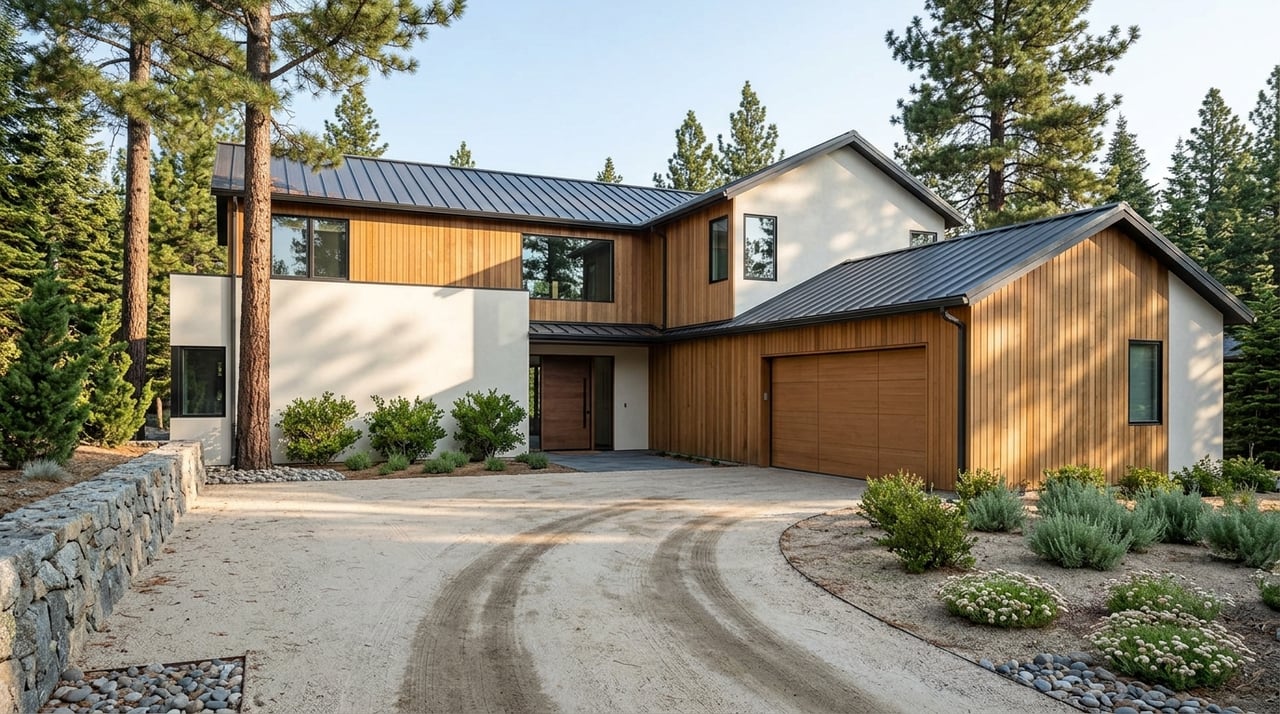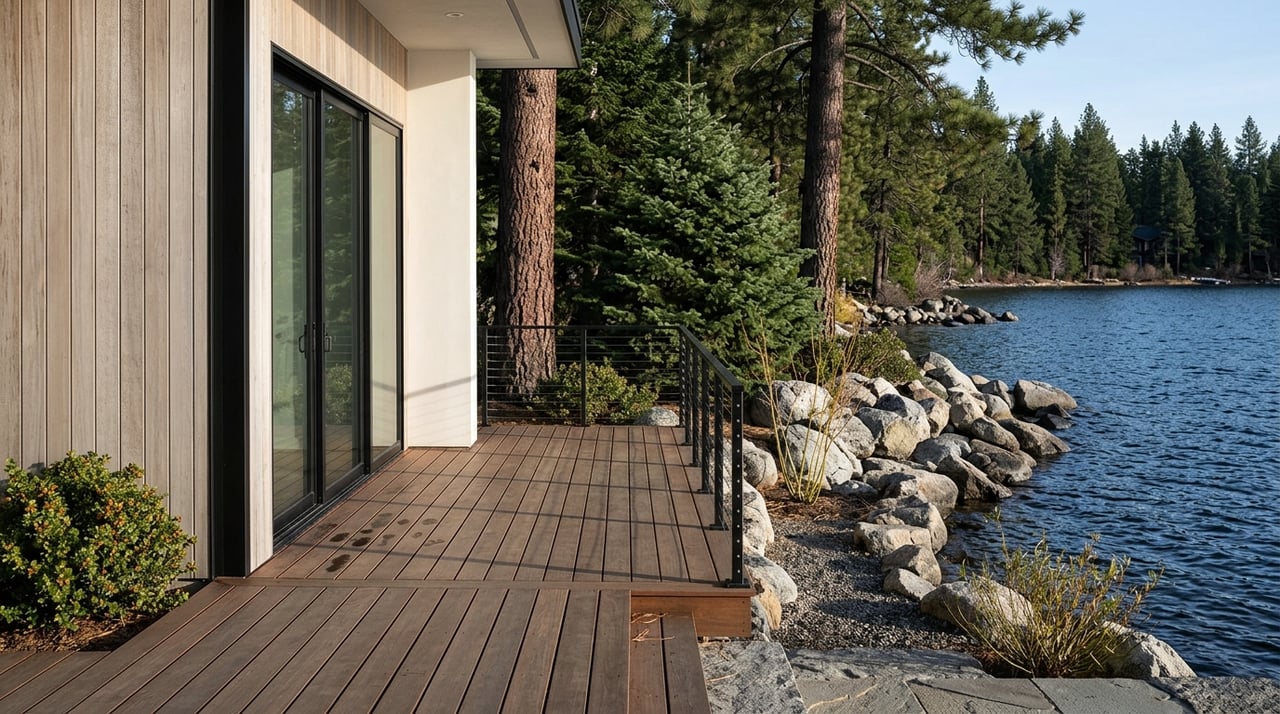
Thinking about a lakefront home in Zephyr Cove because of Nevada taxes? You are not alone, and the opportunity is real, but the details matter. For many California buyers, the biggest advantage is not that Nevada is tax-free across the board, but that it has no state income tax on individuals while California can tax resident income at rates up to 13.3% for top earners. If you are considering a move or a second home on the Nevada side of Lake Tahoe, this guide will help you understand what that can mean, where the limits are, and what questions to ask before you buy. Let’s dive in.
Why Nevada Gets Attention
For many Zephyr Cove lakefront buyers, the Nevada side stands out because Nevada does not impose a state income tax on individuals. If you truly live in Nevada, that can create a major difference compared with California, which taxes residents on all income from all sources.
That contrast is especially important for higher-income households. For 2025, California individual income-tax rates range from 1% to 12.3%, with an additional 1% tax on taxable income above $1 million. In practical terms, that makes the income-tax gap one of the biggest reasons buyers explore Zephyr Cove on the Nevada side of Lake Tahoe.
Still, it helps to keep expectations grounded. Nevada is not a no-tax state overall. As the Nevada Department of Taxation explains, you still need to account for property tax, sales tax, and real property transfer tax.
The Biggest Benefit Is Income Tax
If you are moving from California, the largest tax question is usually not the purchase itself. It is whether your move is a real change of domicile.
That distinction matters because buying a lakefront property in Zephyr Cove does not automatically stop California from treating you as a resident for tax purposes. If California still considers you a resident, it generally taxes your income from all sources. If you are a nonresident, California generally taxes only California-source income, such as services performed in California, rent from California real property, the sale or transfer of California real property, or income from a California business.
For buyers with business income, investment income, or significant compensation, this is often the single most important planning issue. The tax advantage can be meaningful, but only if your facts support that Nevada is truly your home base.
Zephyr Cove Property Tax Basics
Property tax is part of the ownership picture, but it is not always the deciding factor buyers expect. Nevada property is assessed at 35% of taxable value, and the state cap is $3.64 per $100 of assessed value.
In Douglas County, the exact rate depends on the tax district. According to the 2025/26 certified tax schedule, Zephyr Cove GID is 2.9611 per $100 of assessed value, which works out to about 1.04% of taxable value before abatements under Nevada’s 35% assessment framework.
There are also annual cap rules that can affect future increases. Douglas County notes that owner-occupied primary residences and certain qualifying rentals are subject to a 3% annual increase cap, while second homes and other property fall under a different cap structure that can go up to 8% depending on the county formula. That makes occupancy and use an important part of your long-term cost planning.
How Zephyr Cove Compares With California
Some buyers assume Nevada property taxes will always be lower than California. That is not always true.
California property tax is generally 1% of assessed value plus voter-approved bonded indebtedness and certain school-facility debt. So if you compare Zephyr Cove with California strictly on annual property tax, the answer may be closer than expected.
The stronger comparison is usually the full tax stack, including:
- State income tax
- Property tax
- Sales tax
- Transfer tax at closing
That bigger-picture view is where Nevada often becomes more attractive for a buyer who is actually relocating rather than simply adding a second home.
Closing Costs and Everyday Taxes
Nevada also charges a real property transfer tax. The statewide base rate is $1.95 for every $500 of value, and Douglas County is not listed among the counties with an added county charge. That makes this part of your closing costs fairly straightforward to estimate.
Day-to-day spending can also be a little more favorable. Douglas County’s sales tax rate is 7.10%, while California’s statewide base sales and use tax rate is 7.25% before local district taxes.
This is usually a secondary advantage, not the headline. Still, if you are furnishing a lakefront home, making upgrades, or simply spending regularly on the Nevada side, those small differences can add up over time.
Residency Rules Matter Most
This is where many buyers need to slow down and get clear advice. California’s residency standard is highly fact-specific.
According to California FTB Publication 1031, no single factor determines residency. California looks at your closest connections, including:
- Time spent in California
- Where your spouse and children live
- Your principal residence
- Driver’s license
- Vehicle registration
- Voter registration
- Bank accounts
- Medical professionals
- Social ties
- Real property holdings
- Work assignments
California also presumes residency for any tax year in which you spend more than nine months in the state. That means a Zephyr Cove purchase alone is not enough to change your tax status.
In fact, the FTB gives examples showing that a person can claim Nevada residency and still be treated as a California resident if strong California ties remain. For that reason, buyers who are serious about a Nevada move usually need to think beyond the deed and focus on the full pattern of daily life.
What Buyers Should Change
If your goal is to make Nevada your true home, your documents and lifestyle should point in the same direction. The practical checklist often includes:
- Living in Nevada as your principal residence
- Registering your vehicles in Nevada
- Getting a Nevada driver’s license
- Updating voter registration
- Moving key banking relationships
- Shifting medical and professional relationships
- Centering social and family life in Nevada when applicable
The key is consistency. Residency questions are usually resolved by the facts you create over time, not by one form or one statement.
Lakefront Appeal Goes Beyond Taxes
Taxes may open the conversation, but Zephyr Cove tends to win buyers over on lifestyle. You are still getting access to the broader Tahoe experience while living on the Nevada side.
Douglas County describes Zephyr Cove Park as an 80-acre park with disc golf, an exercise trail, picnic space, tennis courts, and a library branch. The same area includes Nevada Beach, which offers more than a half mile of lake views, plus camping, swimming, and kayak rentals.
Nearby, Round Hill Pines Beach Resort & Marina adds beach access, a marina, boat and watercraft rentals, and dining on the Nevada side of the lake. The wider basin remains close at hand too, with the Explore Tahoe Visitor Center serving the broader Lake Tahoe area near the state line.
In other words, choosing Zephyr Cove is usually not about giving something up. It is about enjoying the Tahoe lifestyle while being more intentional about your tax exposure and residency planning.
Questions to Ask Before You Buy
Before you move forward on a Zephyr Cove lakefront purchase, it helps to ask a few clear questions:
- Am I buying a second home or making a true Nevada move?
- What California ties will I still keep after closing?
- How much time will I realistically spend in California each year?
- What tax district applies to this exact parcel?
- Will this property be owner-occupied, seasonal, or held differently?
- How should I budget for transfer tax, sales tax, and ongoing property tax?
These answers can shape both your financial outcome and your ownership strategy.
Why Parcel-Level Review Matters
Even within Douglas County, tax bills are not one-size-fits-all. The exact amount depends on the property’s tax area and any applicable district charges.
That is why broad averages only go so far. Before you rely on a projected ownership cost, confirm the parcel’s specific district and tax treatment using the Douglas County certified tax schedule and your advisory team.
If you are weighing a Zephyr Cove lakefront purchase against a California-side option, a thoughtful, property-specific review can help you see the real tradeoffs clearly. For a discreet, strategic conversation about lakefront opportunities and cross-border buying in the Reno-Tahoe market, Harmony Steingrebe can help you evaluate location, ownership goals, and the lifestyle fit with care.
FAQs
Does buying a home in Zephyr Cove make you a Nevada resident?
- No. Buying in Zephyr Cove does not automatically change your residency. California looks at your overall facts and connections, including time spent in the state, family ties, licensing, registrations, banking, and where your daily life is centered.
How much California time can a Zephyr Cove buyer spend in California?
- California presumes residency for a tax year if you spend more than nine months in the state, and it also reviews many other ties and facts when determining residency.
What taxes should Zephyr Cove lakefront buyers expect in Nevada?
- You should expect property tax, sales tax, and real property transfer tax. Nevada’s main tax advantage is the absence of state income tax on individuals, not the absence of all taxes.
What is the Zephyr Cove property tax rate in Douglas County?
- The 2025/26 Douglas County certified tax schedule lists Zephyr Cove GID at 2.9611 per $100 of assessed value, which is roughly 1.04% of taxable value before abatements under Nevada’s assessment rules.
Why do California buyers look at Zephyr Cove on the Nevada side?
- Many buyers focus on the potential income-tax difference between Nevada and California, while also valuing Zephyr Cove’s access to beaches, parks, marinas, and the broader Lake Tahoe lifestyle.