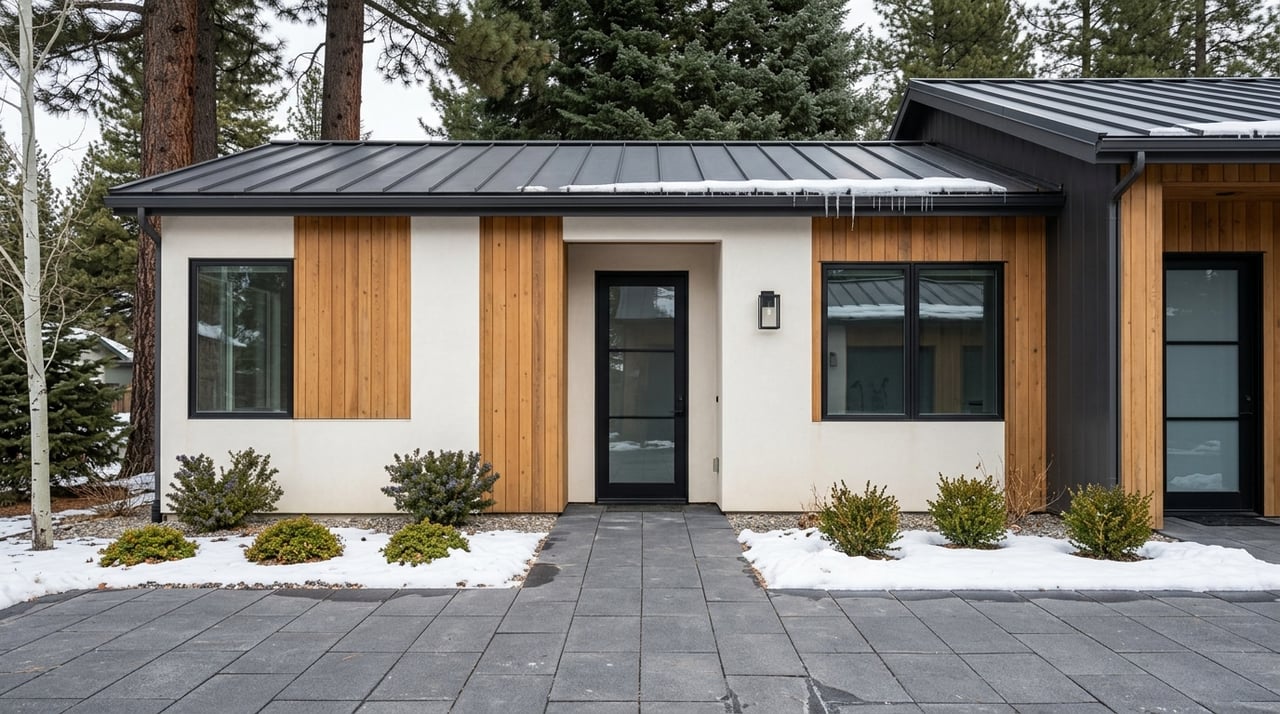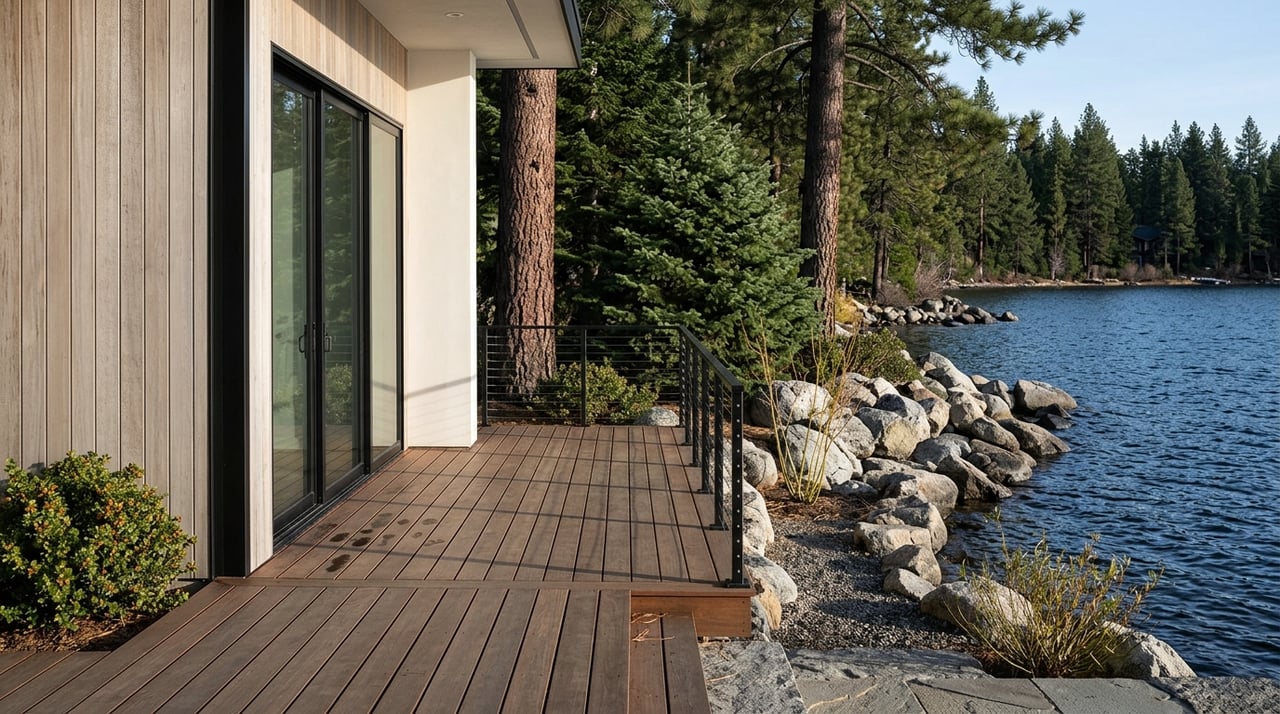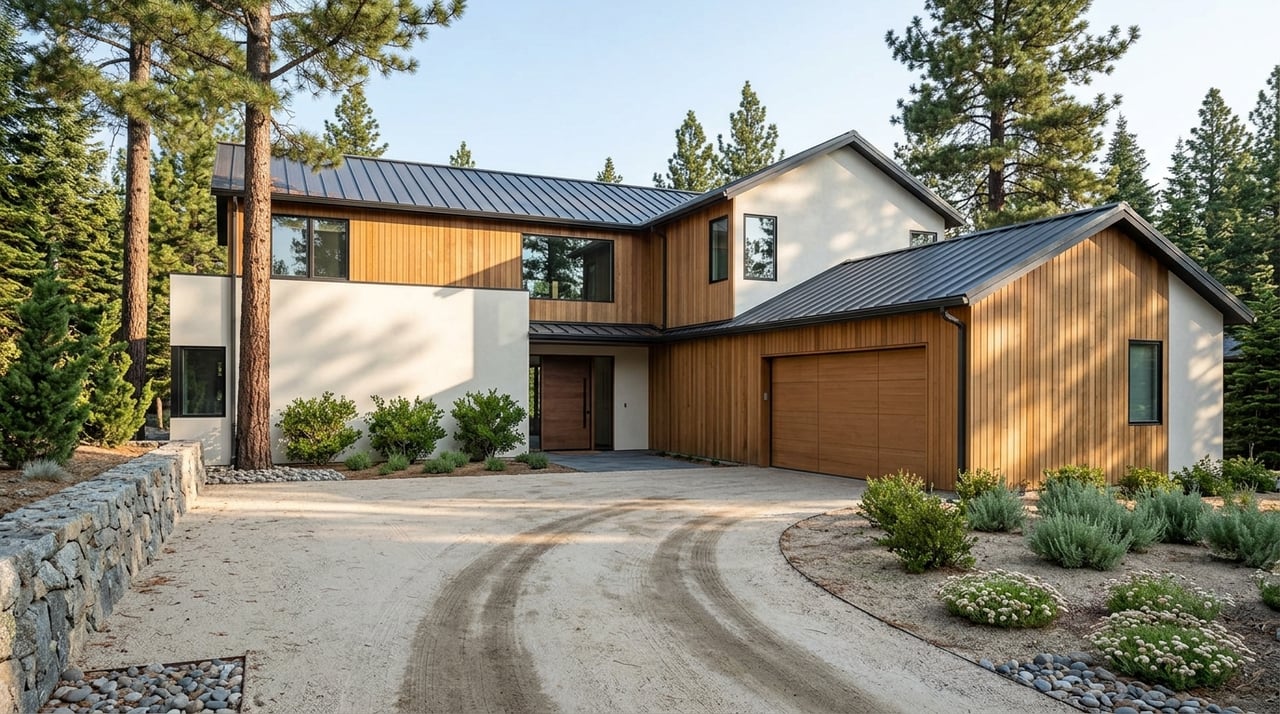
If you are searching for room to spread out without giving up the structure of an established city, Carson City deserves a closer look. Acreage and estate properties here can offer space, flexibility, and a more rural feel, but they also come with zoning, water, and use questions that matter early. This overview will help you understand how Carson City fits in the regional market, what to look for in parcel details, and where careful due diligence can protect your investment. Let’s dive in.
Why Carson City attracts acreage buyers
Carson City sits in a practical middle ground for buyers who want larger lots or estate-style properties. You can find genuine acreage and rural-residential options here, while still benefiting from a defined planning, zoning, and utility framework.
That balance is part of the appeal. Compared with more built-out luxury pockets, Carson City may give you more land for the money, while still keeping you connected to everyday services and the broader Reno-Tahoe corridor.
How Carson City compares regionally
Recent market snapshots place Carson City at a median listing price of $535,500 with 346 homes for sale. For context, Reno showed a median listing price of $625,000 with 1,505 homes for sale, Dayton showed $479,000 with 152 homes for sale, and Douglas County showed a median home price of $899,000 with 518 homes for sale.
These numbers come from different reporting months, so they work best as directional context rather than direct side-by-side comparisons. Still, they help show Carson City as a corridor market that often falls between higher-priced Douglas County and the larger, deeper inventory found in Reno.
Land inventory tells a similar story. Carson City currently shows 87 land and lot listings, compared with 297 in Reno, 19 in Dayton, and 159 in Douglas County.
For you as a buyer, that means Carson City may offer more choice than some smaller nearby markets, but inventory is still limited enough that parcel quality matters. In this segment, not all acreage is equal.
What drives value on acreage parcels
In Carson City, price per acre is only part of the picture. Current land examples range from 1.1 acres at $150,000 to 24.21 acres at $950,000, with other active examples including 3.16 acres at $325,000, 4.49 acres at $350,000, and even a 0.69-acre premium lot at $1.35 million.
That pricing spread suggests a simple point: access, location, utility status, and buildability can influence value as much as raw size. A smaller parcel with stronger infrastructure or a more desirable setting may command a much higher price than a larger, less improved tract.
Start with zoning before you fall in love
One of the most important early steps is confirming the property’s zoning district. Carson City’s Planning Division oversees zoning and land development matters, including parcel maps, lot-line adjustments, discretionary permits, rezoning, and subdivision-related review.
That matters because your plans for the land may depend on more than acreage alone. If you hope to build, keep animals, add outbuildings, or adjust parcel lines later, planning review can be a major part of the process.
Key large-lot residential districts
Carson City’s main large-lot residential districts are SF1A, SF2A, and SF5A. The minimum parcel areas are:
- SF1A: 1 acre
- SF2A: 2 acres
- SF5A: 5 acres
These districts are intended for low-density residential use, with SF5A specifically described as large-lot residential in a rural environment. If you want an estate property with a residential framework already in place, these are often the most relevant zoning categories to review.
Lower-density but not true acreage
Carson City also has SF21 and SF12 districts. These require minimum parcel sizes of 21,000 square feet and 12,000 square feet, respectively.
Those can still feel spacious compared with standard suburban lots, but they are not true acreage districts. If your goal is privacy, room for outbuildings, or a more rural setup, you will want to confirm whether these sizes truly fit your plans.
Agricultural and reserve land
For larger tracts or hobby-ranch potential, the A and CR districts deserve close attention. Carson City’s code identifies the A district for cattle raising or agricultural purposes, while the CR district covers outlying lands that may be developed in the future when public facilities and services are provided.
Both A and CR districts show a 20-acre minimum area. If you are evaluating land for future development potential or ranch-style use, these districts may align better with your goals, but they also tend to require more careful planning and utility review.
Water and utility questions matter early
On acreage properties, water source can be just as important as zoning. In Carson City, you should not assume a parcel has the same water or sewer setup as the property next door.
Instead, confirm whether the parcel is served by city water and sewer or relies on a private well and septic system. This is one of the biggest practical differences between estate properties and more conventional residential homes.
What Nevada allows for domestic wells
According to Nevada’s Division of Water Resources, domestic wells do not require a water right if use stays within 2 acre-feet per year. Domestic use generally includes ordinary household purposes tied to a single-family dwelling, and may include an accessory dwelling unit if locally allowed, along with normal living uses such as lawn watering and providing for a pet.
Uses beyond that scope may require a water right. Every water well drilled in Nevada must also be drilled by a licensed Nevada well driller.
Parcel size and municipal service area issues
The state guide highlights two details buyers should know. First, parcels smaller than one acre require approval from the Nevada Division of Public and Behavioral Health for domestic wells because of septic separation concerns.
Second, parcels in a municipality service area may require a municipal letter stating the distance to water lines and whether connection is required. For you, the takeaway is simple: verify utility status parcel by parcel.
Carson City growth management considerations
Carson City adds another local layer through its Growth Management framework. The city limits residential growth permits, and connecting an existing residential unit on a private well to the community water system requires a Growth Management allocation.
The city also states that developers are not required to provide water rights to construct a project and that the municipal water system has adequate water rights to accommodate anticipated future growth. Even so, a parcel’s existing utility situation should always be reviewed early in your due diligence.
Equestrian and hobby-ranch potential
Carson City stands out because equestrian and hobby-ranch uses can fit naturally within parts of its zoning structure. The city states that animals and fowl are allowed in ACR, SF5A, SF2A, and SF1A districts unless private CC&Rs restrict them.
The city’s A and CR use table also allows animals and fowl, livestock raising, barns or stables, and equestrian centers by special use permit. In those A and CR districts, residential use is limited to one dwelling per 20 acres or larger.
What to confirm for horse property
If you are shopping for horse property, lot size alone is not enough. You should also confirm:
- Zoning allows your intended use
- Private CC&Rs do not restrict animals or structures
- Setbacks work for barns, stables, fencing, and accessory buildings
- Access supports trailers, equipment, or service vehicles
- Water supply is adequate for your intended use
Carson City specifically notes that main and accessory structures must meet zoning setbacks. It also notes that CC&Rs are private agreements and are not enforced by the city, so those need separate review.
A smart due diligence checklist
Before you move forward on any Carson City acreage or estate property, it helps to ask a focused set of questions. This can save time, reduce surprises, and help you compare opportunities more clearly.
Questions to ask before you buy
- Is the parcel served by city water and sewer, or private well and septic?
- If there is a well, does the intended use stay within domestic-water limits?
- What is the exact zoning district, and what does it allow?
- Are animals, barns, or other rural uses permitted?
- Are there private CC&Rs that limit use, structures, or improvements?
- Do setbacks, access, and lot dimensions support your building plan?
- If you want to subdivide or adjust boundaries, does the concept fit Carson City’s planning framework?
These questions are especially important if you are buying for lifestyle as well as long-term value. A parcel may look ideal at first glance, but the real fit comes down to how well it supports your intended use.
Who Carson City acreage may suit best
Carson City can appeal to several types of buyers. If you want an estate lot with city convenience, the SF1A to SF5A districts may be worth exploring.
If you are looking for larger ranch-style land or future-development potential, A and CR parcels may offer a different path, though usually with more due diligence attached. Either way, this is a market where informed buying matters.
For luxury and land buyers in particular, Carson City can offer a compelling blend of space, structure, and regional access. The right property is rarely just about acreage alone. It is about how zoning, utilities, and long-term usability come together.
If you are considering acreage, estate, or premium lot opportunities in Carson City, working with a knowledgeable local advisor can help you evaluate not just the land, but the full picture behind it. To schedule a private consultation, connect with Harmony Steingrebe.
FAQs
What zoning districts matter most for Carson City acreage properties?
- The main large-lot residential districts are SF1A, SF2A, and SF5A, with minimum parcel sizes of 1 acre, 2 acres, and 5 acres. Buyers considering larger ranch or development-stage land should also review A and CR districts, which have 20-acre minimums.
What should buyers verify about water on Carson City estate parcels?
- You should confirm whether the property has city water and sewer or a private well and septic system. Nevada allows domestic wells without a water right if use stays within 2 acre-feet per year, but parcel size, service area status, and intended use can affect requirements.
Are horses allowed on Carson City acreage properties?
- Carson City states that animals and fowl are allowed in ACR, SF5A, SF2A, and SF1A unless private CC&Rs restrict them. For barns, stables, livestock raising, and equestrian centers in A and CR districts, special use permit rules may apply.
Why do Carson City land prices vary so much by parcel?
- Active listings suggest that price differences are influenced by more than acreage alone. Access, location, utility readiness, and buildability can all affect value significantly.
What is the biggest mistake buyers make with Carson City acreage?
- A common mistake is assuming the parcel will support a planned use based on size alone. In Carson City, zoning, water source, setbacks, access, and private CC&Rs should all be reviewed before you commit.