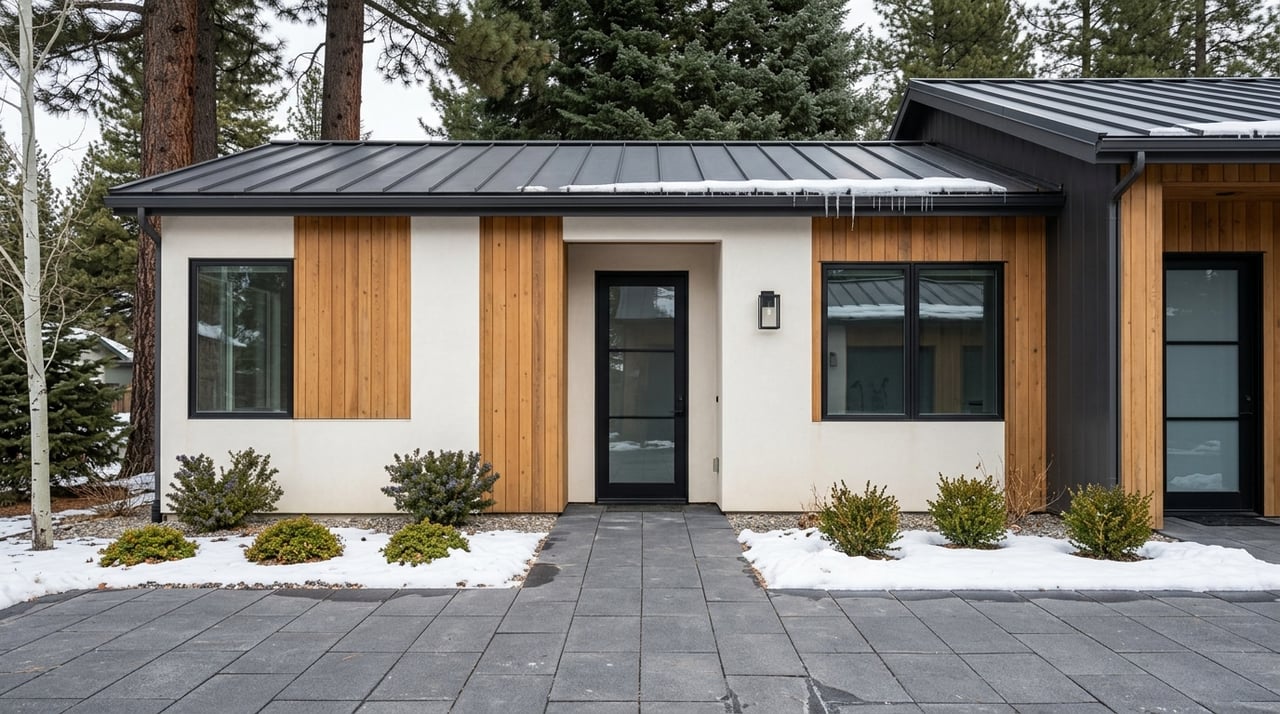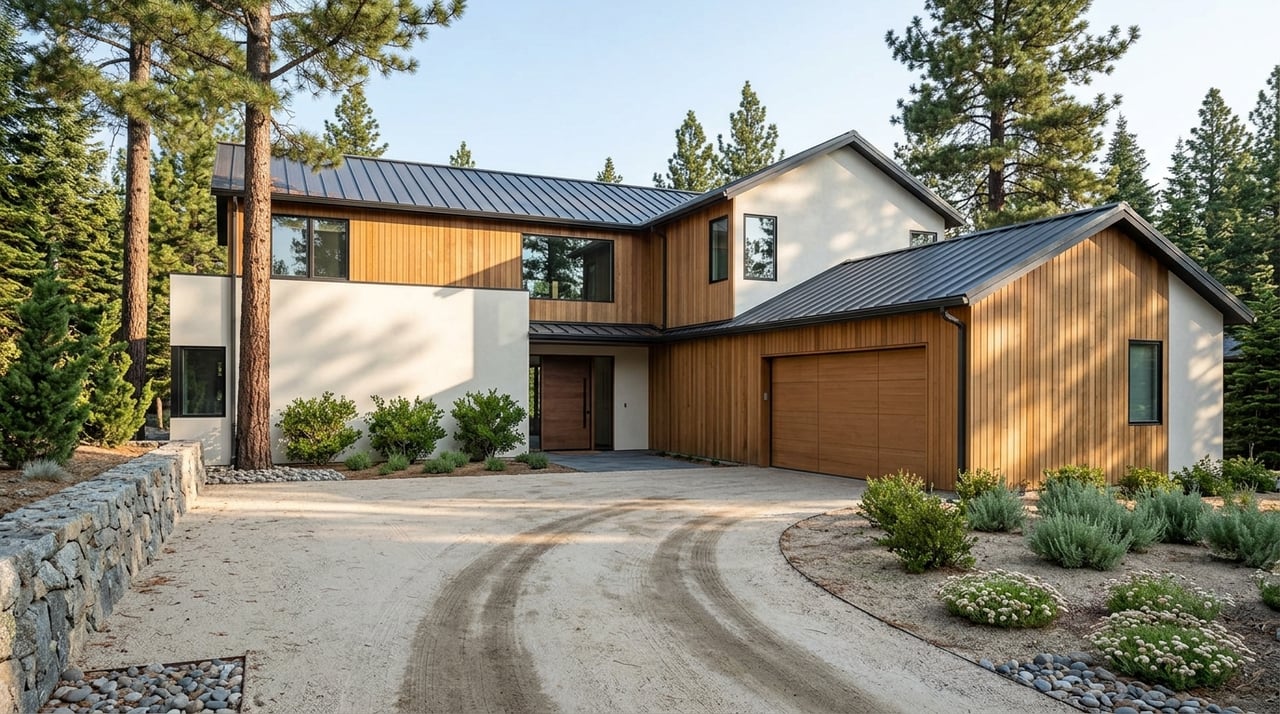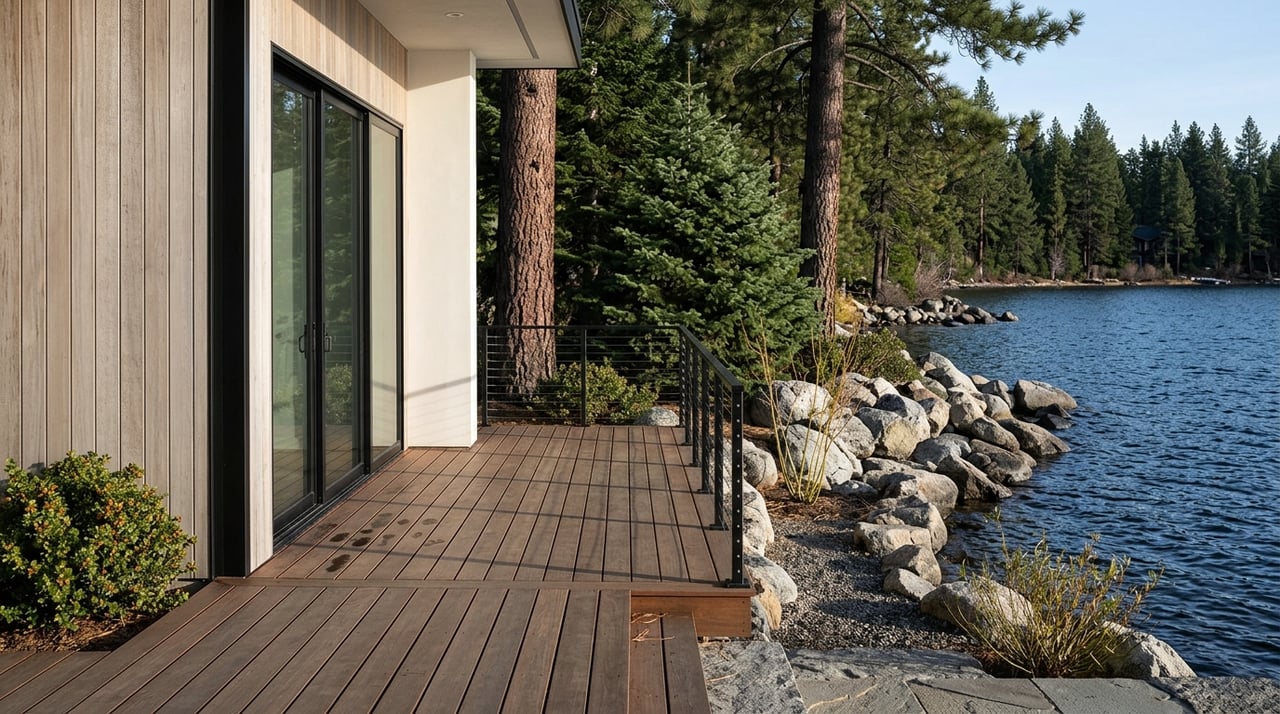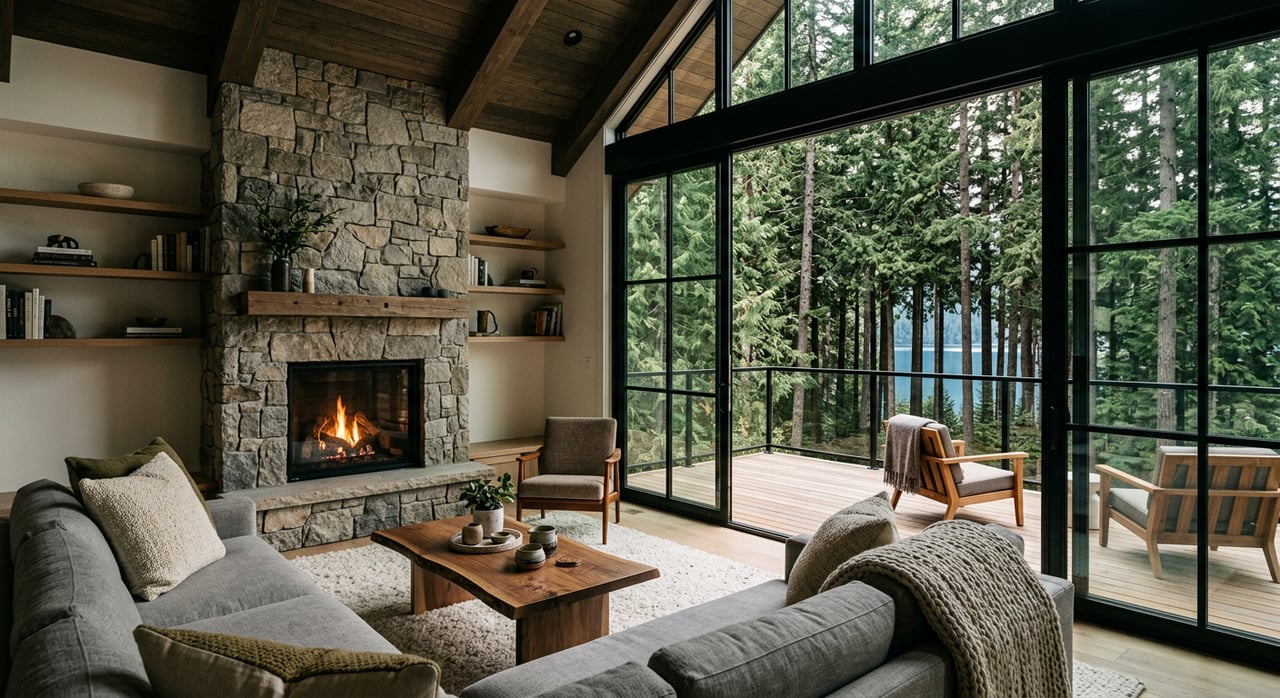
Torn between waking up to waves at your doorstep or a sweeping, elevated panorama of Tahoe’s cobalt water? In Incline Village, both lakefront and lakeview homes deliver a remarkable lifestyle, but they live very differently. If you are deciding where to focus, you want clear facts on access, permits, taxes, insurance, and long-term value, not just pretty photos.
This guide breaks down how each option works in Incline Village, what you actually get for your money, and the trade-offs to weigh before you buy. You will leave with a practical checklist and links to the agencies that control shoreline access, moorings, and permits. Let’s dive in.
Quick definitions buyers need
Lakefront (littoral). The parcel directly abuts Lake Tahoe’s high-water mark and sits inside the lake’s shorezone rules. Littoral ownership is what connects you to private piers, buoys, and boat lifts, but only when permits and registrations are valid and current. Nevada recognizes Lake Tahoe’s low-water elevation at 6,223.0 feet and high-water elevation around 6,229.1 feet, and requires lakeward projection lines and setbacks in applications for shoreline structures. See Nevada Division of State Lands (NDSL) requirements for submerged lands use and permits for piers and buoys at the state level. You can review representative permit terms on the NDSL application form at the Nevada Division of State Lands site.
Review NDSL’s permit conditions and application examples.
Lakeview. An upland or elevated parcel with a sustained lake view but no littoral frontage. You enjoy the views without the shoreline permitting burden, although you also do not automatically receive private mooring or dock rights.
Lower-elevation non-lakefront. Often closer to services and sometimes within reach of Incline Village General Improvement District (IVGID) beaches through parcel-tied recreation privileges. These are not littoral and therefore do not carry automatic buoy or pier rights.
What you pay for: price and scarcity
Incline Village is a luxury market with wide pricing bands based on location, frontage, and view quality. Broad market medians reported by consumer aggregators vary because of timing and property mix, but the key takeaway is simple: true lakefront commands a substantial premium, and the small number of shoreline estates makes averages volatile from year to year. On the Nevada North Shore, only a handful of lakefront properties typically sell in a given year, so a single legacy sale can move the median dramatically. Recent Nevada-side lakefront closings have reached into the tens of millions, which illustrates the depth of demand for scarce shoreline ownership.
The implication for you: focus less on a single “median” and more on recent, like-kind comps and whether a property has transferable, permitted moorings or a pier. Confirm all permitting before you factor those amenities into value.
Access and amenities that change daily life
Piers, buoys, and boat lifts
- The Tahoe Regional Planning Agency (TRPA) requires that all moorings be registered or permitted. New moorings are capped and released through controlled allocations, which means timing and eligibility matter. Always verify if a buoy, lift, or slip is properly registered before assuming it conveys with the property.
- Nevada’s Division of State Lands issues authorizations for use of state-owned submerged lands at Lake Tahoe. Typical terms limit structure type and quantity, set setbacks from lakeward projection lines, and charge annual fees. Obtain the recorded state authorization or lease and confirm fee status as part of due diligence.
You can explore TRPA’s mooring registration system and allocation mechanics here: TRPA Mooring Registration.
IVGID beaches and boat access
Incline’s beaches and recreation amenities are managed by IVGID, with access tied to assessed parcels and recreation passes. Pass rules control who can use Incline Beach, Burnt Cedar, Ski Beach, and Hermit Beach, as well as boat launch privileges. For any home, confirm whether the parcel carries IVGID recreation eligibility and how passes are transferred or used.
- Start with IVGID’s main portal for beaches, recreation, and pass policies: Incline Village General Improvement District.
- Short-term rentals may not automatically include access to owner passes. See local rules and confirm details with IVGID and any HOA before you assume guest access.
IVGID also publishes specific beach rules that clarify pass use and enforcement: IVGID beach rules and regulations.
Lifestyle trade-offs to consider
Privacy and shoreline experience
- Lakefront: Highest potential for privacy and direct water access when pier and buoy rights are in place. Some parcels sit near public shore segments, so verify deeded rights and any access easements.
- Lakeview: Quiet, elevated vistas without waterfront foot traffic. You trade direct water contact for panoramic views, often with larger decks and indoor-outdoor spaces oriented to the lake.
Winter access and maintenance
- Lakefront: Shoreline weather exposure can add complexity. Plan for snow removal, ice management, and winterization of moorings and lifts.
- Lakeview and lower-elevation: Often easier day-to-day in winter, especially where HOAs include snow removal for condos or townhomes. Check HOA documents and budgets to understand what is covered.
Views versus water contact
- Lakefront puts the lake at your doorstep. If boating, paddleboarding, or launching for sunrise fishing are core to your lifestyle, littoral parcels with proper permits hold unique appeal.
- Lakeview can deliver dramatic, wide-angle vistas. If you value a quiet perch and less regulatory friction, an elevated lot may be the better fit.
Ownership costs, taxes, and insurance
Nevada tax advantage
Nevada has no state personal income tax. Many buyers consider the Nevada side of Tahoe for this reason, especially if they plan to establish residency. Residency and domicile are fact-specific, so speak with your tax advisor.
See current state income tax rates.
Property taxes and transfer tax
Washoe County calculates property tax using state formulas and local combined rates. For high-value lakefront parcels, the annual bill can be significant. You will also encounter Nevada’s Real Property Transfer Tax at closing, which is separate from any income tax considerations.
- Check current combined tax rate information at the Washoe County Treasurer.
- See the Nevada Department of Taxation’s materials on the Real Property Transfer Tax for recent collections and context: Nevada RPTT report.
Insurance and wildfire
Both waterfront and upland properties face elevated insurance scrutiny because of shoreline exposure, terrain, and regional wildfire risk. Expect to obtain quotes for homeowners, liability for piers and docks, and any wildfire-related endorsements. Communities that invest in fuel reduction and defensible space may see improved insurability over time.
For a regional view on wildfire risk factors and insurance dynamics, see this North Lake Tahoe resource: Regional wildfire and insurance overview.
Rental and income flexibility
Unincorporated Washoe County allows short-term rentals with a permit and specific operating rules. You will need to register, renew annually, designate a 24/7 local contact, and comply with occupancy and safety standards. HOAs may impose stricter rules, and IVGID passes do not automatically extend to guests.
Review the county’s current requirements and FAQs here: Washoe County STR program.
Long-term value drivers that matter
Regulated shoreline supply supports scarcity
TRPA, NDSL, and county rules intentionally restrict new shoreline structures to protect water clarity and public access. These constraints limit supply and help preserve the scarcity premium for permitted lakefront parcels, though they also add time and cost to maintenance and new applications. If you are planning improvements, review historic shorezone guidance to understand restrictions and design standards.
- Background on shoreline policy and supply control: TRPA Governing Board materials.
- Older but still instructive shorezone technical guidance: TRPA shorezone restrictions overview.
Climate and lake stewardship
Lake Tahoe’s physical regime is changing. Monitoring by UC Davis’ Tahoe Environmental Research Center highlights warming trends and ecosystem shifts that influence clarity and seasonal recreation windows. Informed stewardship is part of long-term ownership value, especially if you plan shoreline projects or care about multi-decade resale potential.
Learn more about ongoing clarity initiatives: UC Davis TERC overview.
Buyer due-diligence checklist
Before you write an offer, confirm these items for any Incline Village property you are considering:
- Confirm if the parcel is littoral. Obtain the legal description and verify where it meets the high-water contour and lakeward projection lines. NDSL shoreline application guidance.
- If littoral, obtain copies of all recorded NDSL submerged-lands authorizations and TRPA permits for any pier, buoy, or lift. Confirm that all registrations and fees are current. NDSL permit example.
- Check TRPA mooring registration status and whether the parcel is eligible for new allocations. TRPA Mooring Registration.
- Verify IVGID parcel entitlement for beach and boat-ramp access, and how passes transfer to new owners. Clarify any day-pass options. IVGID information hub.
- Review HOA CC&Rs for rental, remodeling, and pass rules if applicable.
- Obtain insurance quotes for homeowners coverage, liability specific to docks or piers, and wildfire endorsements. Document any defensible-space or Firewise work that may affect underwriting. Regional wildfire and insurance overview.
- Review Washoe County property tax history and estimate Real Property Transfer Tax for your budget. Washoe County tax rates.
- Evaluate TRPA and state shoreline restrictions that could limit pier replacement, lengthening, or new construction. TRPA shorezone restrictions overview.
- Consider long-horizon environmental trends and resilience for lifestyle and resale. UC Davis TERC overview.
- If rental income is part of your plan, confirm Washoe County STR permit requirements and whether any existing permit is transferable. Washoe County STR program.
Which is right for you?
Choose lakefront if you want a legacy-caliber property with direct water access and are comfortable with higher acquisition cost, shoreline permitting, and ongoing maintenance of piers, buoys, and lifts. The scarcity of permitted shoreline estates supports long-term value, but diligence is essential.
Choose lakeview if you want the drama of Tahoe’s panorama with fewer regulatory hurdles and potentially easier winter living. You can enjoy IVGID beaches, marina options, or community moorings where available, and you shift your investment from shoreline structures to view-forward architecture and outdoor living spaces.
When you are ready to compare specific properties, you deserve a discreet, data-backed plan that fits your lifestyle and timing. For private guidance, curated on and off-market opportunities, and a clear path from offer through permits and closing, connect with Harmony Steingrebe.
FAQs
What is the legal difference between lakefront and lakeview in Incline Village?
- Lakefront (littoral) parcels touch Lake Tahoe at the high-water mark and fall under TRPA and Nevada submerged-lands rules for piers and buoys, while lakeview parcels have no shoreline boundary and no automatic mooring rights.
How do I verify that a buoy or pier at an Incline Village home is legal and transferable?
- Ask for the TRPA mooring registration and the Nevada Division of State Lands authorization or lease, then confirm status in TRPA’s mooring system and with NDSL records before assuming it conveys.
Do guests at my Incline Village short-term rental get IVGID beach access?
- Not by default. IVGID access is tied to parcel-based recreation privileges, and some rentals do not include owner passes; confirm eligibility with IVGID and your HOA.
Are new private buoys or docks still available on the Nevada side of Lake Tahoe?
- New moorings are limited by TRPA’s allocation caps and eligibility rules, so availability varies by year and parcel; check TRPA’s mooring registration portal for current status.
What ongoing costs are unique to lakefront ownership in Incline Village?
- Budget for Washoe County property tax, TRPA mooring registration and possible scenic mitigation fees, NDSL annual use fees, pier and shoreline maintenance, insurance for waterfront structures, and HOA or IVGID assessments where applicable.
How do Nevada taxes affect ownership if I am moving from a high-tax state?
- Nevada has no state personal income tax, which can be attractive for residents, but residency and domicile are complex; speak with your tax advisor to assess your situation.