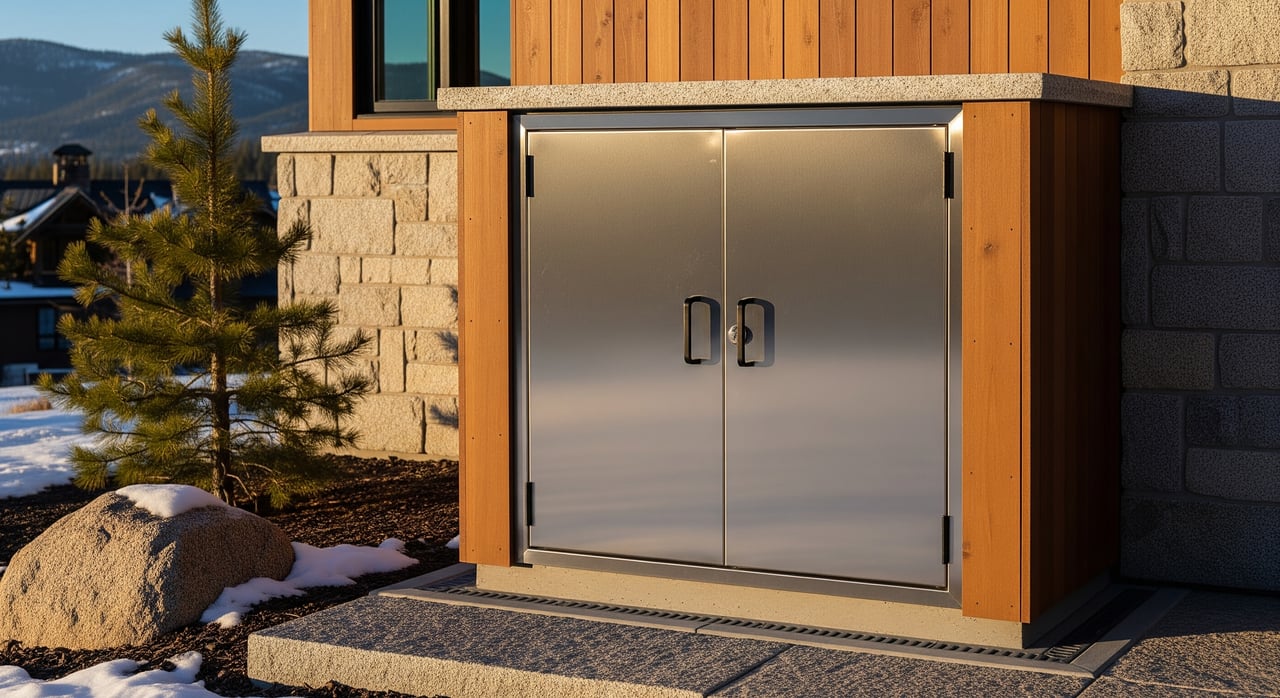
Buying a home in Truckee comes with mountain views, fresh air, and a unique detail many out‑of‑area buyers overlook: bear‑resistant trash storage. If you have not lived in bear country, it can feel like one more to‑do on your list. In reality, a well‑designed bear box protects your investment, keeps neighbors happy, and supports local wildlife. This guide shows you why bear boxes matter, what to verify before you buy, how to choose the right design, and what it all costs so you can make confident decisions. Let’s dive in.
Why bear boxes matter in Truckee
Truckee sits in active black bear habitat. Bears are opportunistic and learn quickly, so unsecured garbage can lead to repeat visits, property damage, and safety concerns. Issues are most common from spring through fall when bears are building fat reserves, but a “food‑conditioned” bear may seek out trash anytime it is available.
Agencies such as the California Department of Fish and Wildlife, the U.S. Forest Service, and the Interagency Grizzly Bear Committee emphasize one simple principle: remove attractants. Keeping trash locked and secure reduces bear conflicts, protects your property, and supports healthy wildlife behavior.
Rules and who to check with
There is no single statewide household rule for bear‑resistant trash. Requirements vary by town, county, HOA, and your waste hauler. In Truckee, confirm details before you assume a specific enclosure will be approved or serviced.
Town, county, and basin rules
- Town of Truckee and Nevada County may have standards for trash storage, especially for multi‑family or commercial properties. Always verify the latest local code.
- If the property falls within the Tahoe Regional Planning Agency area, additional environmental or aesthetic guidelines may apply to enclosure design and placement.
Waste hauler policies
- Local haulers, including Recology Truckee‑Tahoe and other providers serving the region, may require specific cart models or access clearances for pickup.
- Some haulers offer bear‑resistant carts or provide guidance for enclosures that work with their trucks.
HOAs and CC&Rs
- Many mountain communities set rules for location, style, and materials to keep enclosures consistent with neighborhood aesthetics.
- You may need HOA approval to install or modify an enclosure. Review CC&Rs early in your due diligence.
Permits and inspections
- If you plan a permanent structure, custom build, or masonry enclosure, check with Town of Truckee building and fire departments about permits, setbacks, and utility considerations.
Buyer verification steps
- Ask the seller for documentation: make and model of any installed bear box or cart, receipts, warranties, and any approvals or permits.
- Confirm service and compatibility with the local waste hauler, including pickup access and door swing clearance.
- Review HOA rules for design, placement, and maintenance responsibilities.
- Contact Town of Truckee or Nevada County to confirm any applicable codes and permit history.
Types of bear‑resistant enclosures
Different homes and driveways call for different solutions. Here are the most common options you will see around Truckee.
Certified bear‑resistant carts
- Pros: Simple, relatively low cost, and designed for curbside pickup.
- Cons: Can be tipped or buried by snow if not stored properly. Choose models with recognized bear‑resistant certification and latching systems.
Prefab steel bear boxes
- Pros: Durable, powder‑coated finishes, and strong latches. They can blend well with many architectural styles.
- Cons: Must be anchored and sized to fit your hauler’s service method and reach.
Custom wood and metal hybrids
- Pros: Built to match your home with cedar, stone accents, or other finishes while using a metal liner for security.
- Cons: Higher cost and requires careful detailing so no gaps or exposed wood invite prying.
Masonry or stone enclosures
- Pros: Robust, long‑lived, and highly resistant when paired with steel doors and quality hardware.
- Cons: Highest cost and likely to require permits and foundation work.
Commercial dumpsters or shared systems
- Pros: Ideal for multi‑family or HOA settings, with high capacity and robust locking systems.
- Cons: Costly and must be compatible with the hauler’s equipment and access.
Key features to look for
When you evaluate an existing bear box or plan a new one, focus on function first, then style.
- Certification and track record: Look for products tested or listed by recognized programs and with proven community use.
- Latch and hardware: Choose recessed or internal latches, robust hinges, and tamper‑resistant hardware. Closed‑shackle padlocks (if used) reduce leverage points.
- Construction: Favor metal or metal‑lined interiors so bears cannot rip through wood. Select corrosion‑resistant finishes for Truckee’s freeze‑thaw cycles.
- Anchoring: Through‑bolt to a concrete pad or use heavy anchors so the box cannot be tipped or dragged.
- Capacity and access: Size for your household and confirm the hauler can service the enclosure; check door swing, height, and clearance.
- Snow performance: Raise thresholds above typical snow levels. Add sloped roofs, ice‑resistant latches, or heat cables if your site drifts heavily.
- Ventilation and drainage: Prevent pooling and odors. Use screened drains that block rodents.
- Aesthetics: Powder‑coat color choices or add cedar or stone cladding over a steel liner. Hidden hinges and recessed latches keep lines clean.
Placement and installation for mountain homes
Getting the siting right makes life easier in winter and on pickup days.
Siting and access
- Position the box where the hauler can reach it from the street without tight turns or unsafe backing.
- Balance convenience with safety. Some owners store trash in the garage until collection day, while others place a permanent box at the property edge.
- Avoid placing an enclosure directly under bedroom or living room windows in case a bear tests the latch.
- In HOA neighborhoods, confirm if centralized enclosures serve multiple homes and who maintains them.
Snow and winterization
- Elevate doors and latches above typical drift heights so they do not freeze shut or bury in storms.
- Choose corrosion‑resistant materials and hardware that tolerate deicing chemicals.
- Maintain a cleared path to the box so pickups stay on schedule.
Foundation and anchoring
- Install on a level concrete pad or heavy timber base with through‑bolts or heavy anchors.
- Slope the pad slightly to shed water away from the enclosure and keep gaps sealed against pests.
Maintenance and sanitation
- Clean the interior regularly to reduce odors. Rinse with hot water and appropriate detergents.
- Repair or replace worn seals, latches, and hinges at the first sign of damage.
- Use sturdy bags and close doors immediately after use.
Landscaping and design integration
- Match your home’s palette with stone veneer, cedar, or powder‑coat colors while keeping the interior metal and secure.
- Use low plantings or screening that soften views without blocking access or creating a climbing aid.
- Consider recessing the box into a garage wall or side yard for a lower‑profile look.
What it costs in Truckee
Budget depends on size, materials, finishes, and site work.
- Prefab steel residential bear boxes: about $800 to $3,000.
- Custom wood and metal hybrids: about $2,500 to $12,000.
- Masonry or stone enclosures: often $5,000 to $25,000 or more.
- Commercial dumpsters or compactors: roughly $2,500 to $15,000 or more.
These are ballpark figures. For an accurate number, request quotes from local vendors or your general contractor.
Buyer inspection checklist
Use this quick list during showings, inspections, and escrow.
Documentation and service
- Is a bear‑resistant box or cart installed now? Get make, model, photos, receipts, and any warranty.
- Is the enclosure included in the sale if it is built into the property?
- Who is the waste hauler, and what container sizes and access do they require? Will they service this specific enclosure?
- Are there HOA or municipal rules about style, placement, and maintenance? Review CC&Rs and approvals.
Condition and functionality
- Do latches and hinges operate smoothly and resist prying? Any rust or missing hardware?
- Is the box anchored to a pad? Does it move when pushed?
- Is the door or lid above typical snow levels for this site?
- Any gaps, rot, or signs of wildlife entry? Inspect the metal liner and seams.
- Does the door swing and clearance work for the hauler’s pickup method?
Neighborhood and liability
- Do nearby homes experience recurring bear activity? Ask for context and any remediation steps taken.
- Has the property been cited for improper trash storage in the past?
Selling or listing a Truckee home
If you plan to sell, a good enclosure is a marketable feature for out‑of‑area buyers. Include context photos that show placement and hauler access, close‑ups of latches and hinges, and interior shots showing metal liners and drainage. Add documentation of installation, approvals, and hauler contact details to your disclosure packet. This builds buyer confidence and speeds decisions.
Ready to buy in Truckee?
A thoughtful bear‑resistant trash plan is part of owning a mountain home. When you pair secure storage with smart placement and winter‑ready hardware, you protect your investment and enjoy the lifestyle you came for. If you would like local guidance on what will work best for your property or a property you are considering, connect with Harmony Steingrebe for a private consultation.
FAQs
What is a bear box and do I need one in Truckee?
- A bear box is a wildlife‑resistant trash enclosure that keeps garbage secure; while rules vary by property and HOA, it is strongly recommended for safety and stewardship.
Are bear‑resistant carts enough for Truckee’s winters?
- They can work if properly used and stored, but heavy snow can bury lids, so many owners prefer anchored enclosures with raised doors and snow‑ready latches.
Who picks up trash in Truckee and will they service my box?
- Local haulers, including Recology Truckee‑Tahoe and others, serve the area; always confirm container type, placement, and door swing compatibility before closing.
How do HOAs in Truckee handle bear boxes?
- Many HOAs set rules for location, materials, and appearance; review CC&Rs early and obtain approvals for new or modified enclosures.
What maintenance do bear boxes need each season?
- Clean interiors, check latches and seals, touch up finishes, and clear snow around doors so pickups stay on schedule and hardware lasts.
How much should I budget for a high‑end enclosure?
- Expect about $2,500 to $12,000 for a custom wood and metal hybrid and $5,000 to $25,000 or more for masonry with steel doors, plus site work if needed.