Which luxury home style fits your life in Reno? With big skies, four true seasons, and stunning mountain views, the style you choose does more than shape curb appeal. It also affects comfort, maintenance, insurance, and resale. In this buyer’s primer, you will compare four leading looks in Reno luxury real estate and learn what to watch for on tours, how styles perform in our high desert climate, and what tends to hold value. Let’s dive in.
Reno climate and building context
Reno sits on the eastern edge of the Sierra Nevada at roughly 4,500 feet. The high desert brings strong sun, hot summers, cold winters with measurable snow, and large day to night temperature swings. These conditions put extra pressure on roofing, windows, exterior materials, and mechanical systems.
Local permitting and energy codes matter. Luxury homes often have additions or upgrades, so you should verify permit history and final inspections. Comfort and operating costs depend on insulation levels and the type and age of heating and cooling systems.
What this means for you:
- Prioritize high performance windows, roof quality, and insulation.
- Ask for permit records on major work, especially additions, roofing, stucco, and mechanicals.
- Evaluate wildfire defensible space, especially in foothill and foothill adjacent properties.
Mountain modern at a glance
Defining features and materials
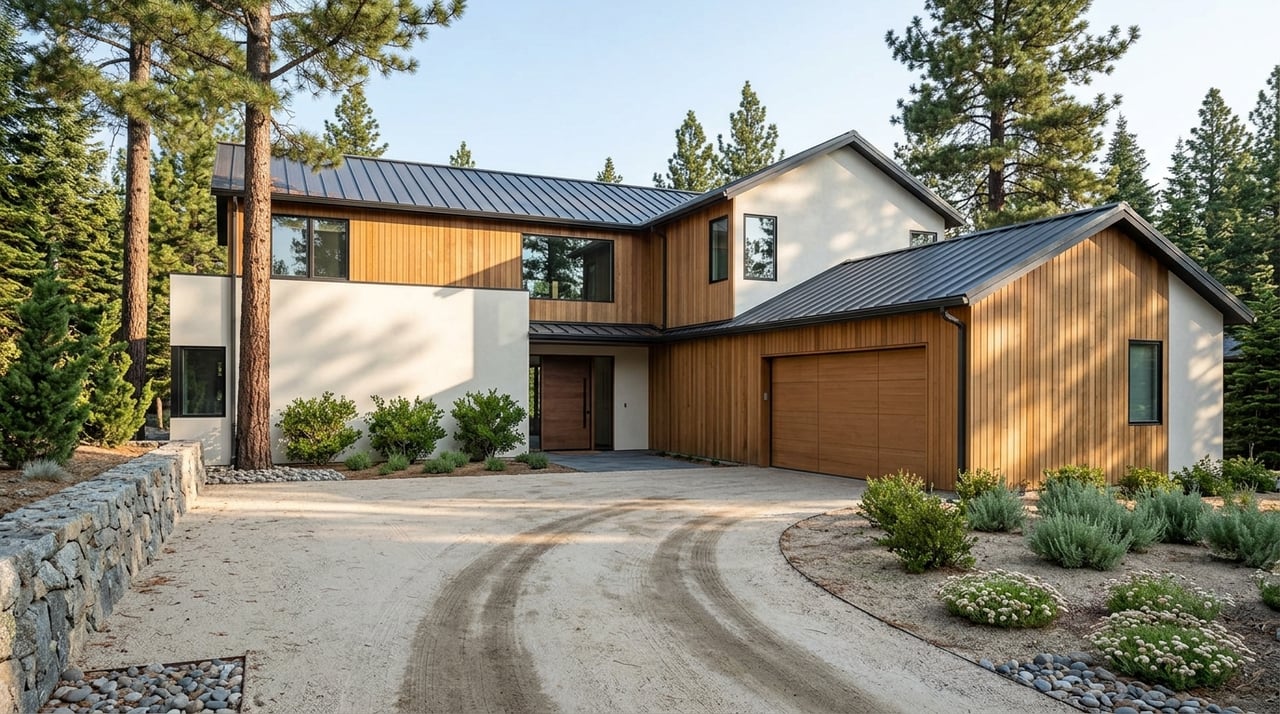
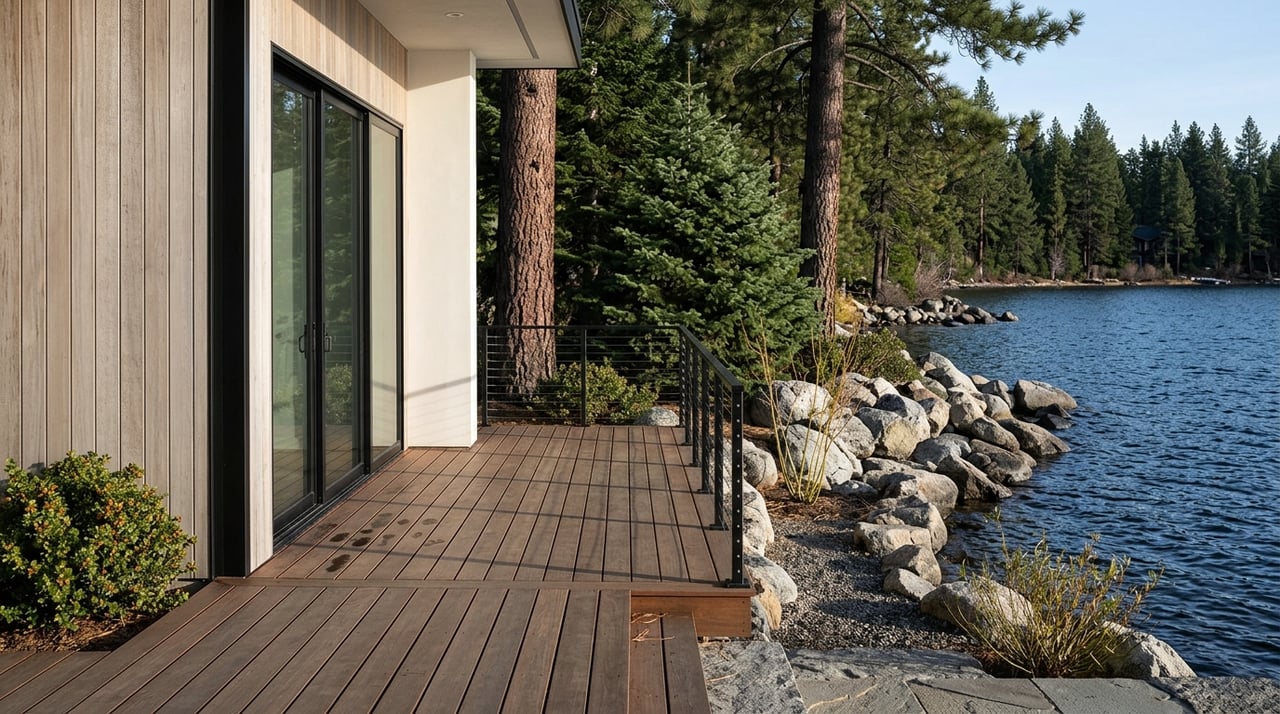
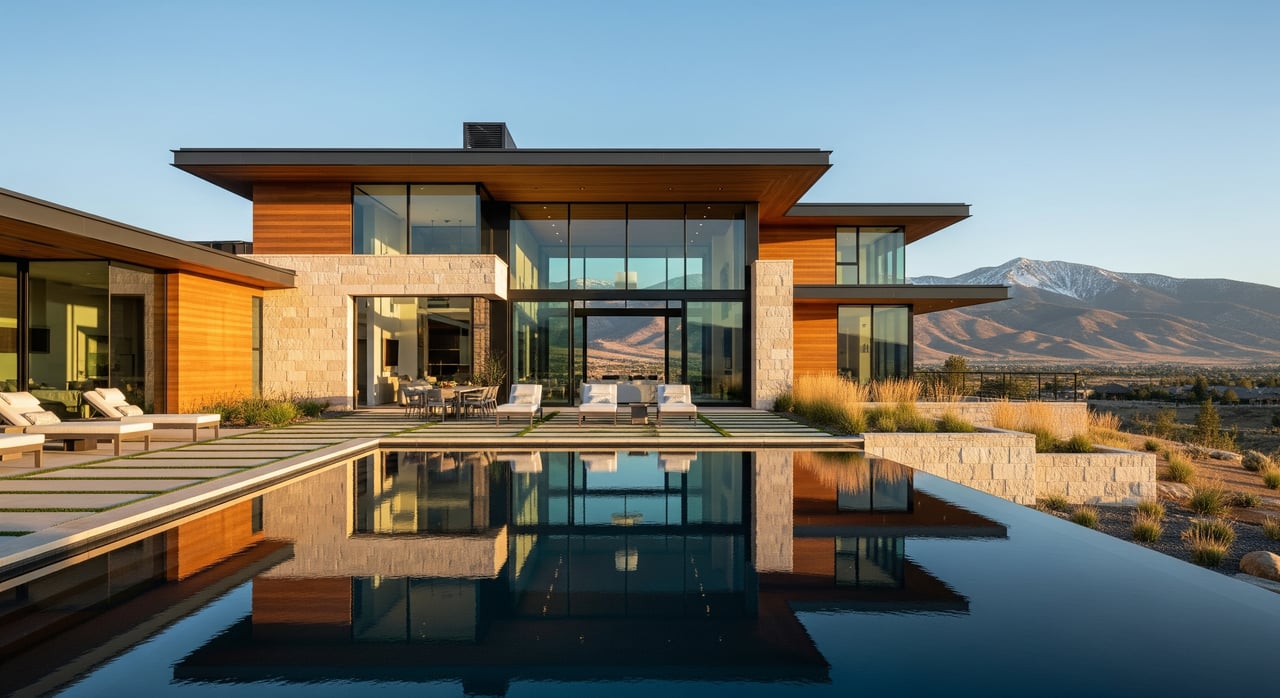
Mountain modern blends clean lines with natural materials and big view windows. Expect open floor plans, steel accents, heavy timber, and native stone. Roofs are flat or low pitch with deep overhangs to manage sun.
Common materials include standing seam metal roofing, large low e double or triple glazed windows, and concrete or wide plank floors. Trim is minimal for a sleek finish.
How it performs in Reno
Large glass walls showcase views but require premium glazing to control heat gain in summer and heat loss in winter. Metal roofs perform well with sun and snow when detailed for thermal movement and proper fastening. Exposed wood needs UV protective finishes and consistent maintenance.
Red flags when touring
- Check flashing and seals at big window openings, especially corners and multi panel sliders.
- Inspect low slope or flat roof details at deck and parapet transitions for signs of ponding or past leaks.
- Look for thermal bridging at steel to wood connections and for stains that hint at water intrusion.
Where you will see it and resale
You will find mountain modern on hillside and ridgeline lots that maximize views, including newer custom tracts and foothill fringes. ArrowCreek and other view driven communities often showcase this look. Resale is strong with buyers drawn to contemporary indoor outdoor living, including many relocating from Western tech hubs.
Contemporary farmhouse at a glance
Defining features and materials
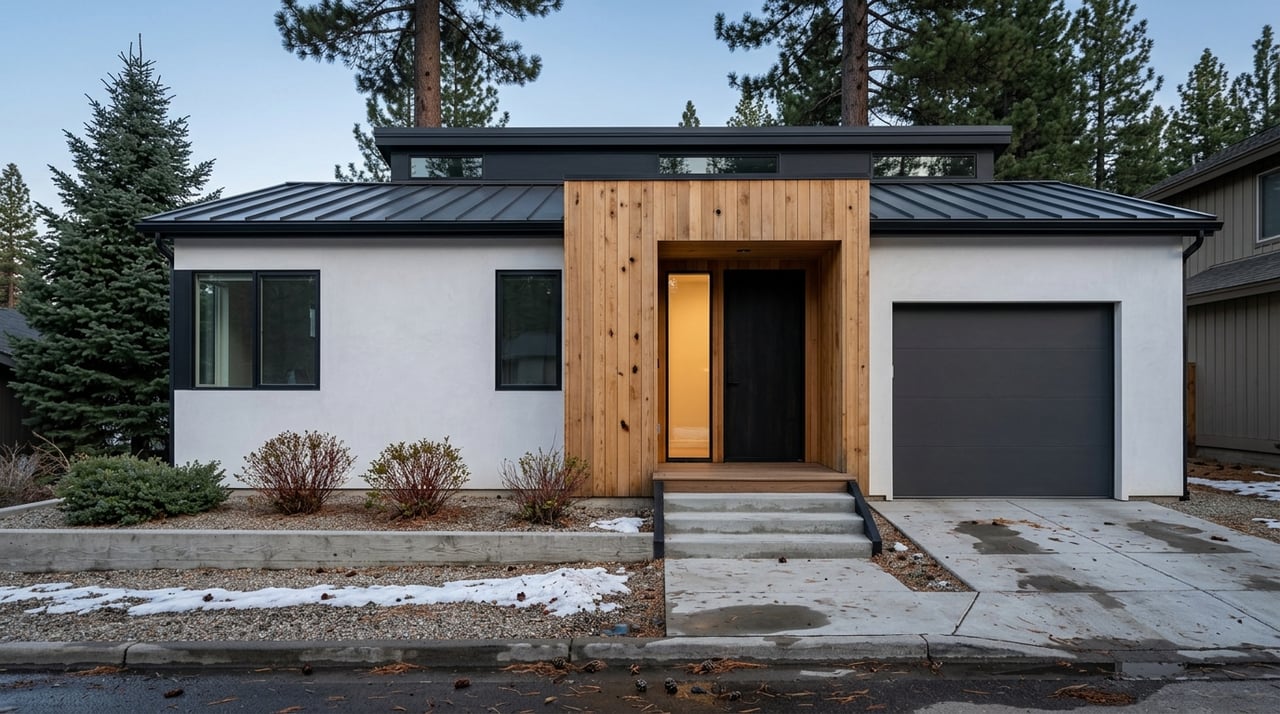
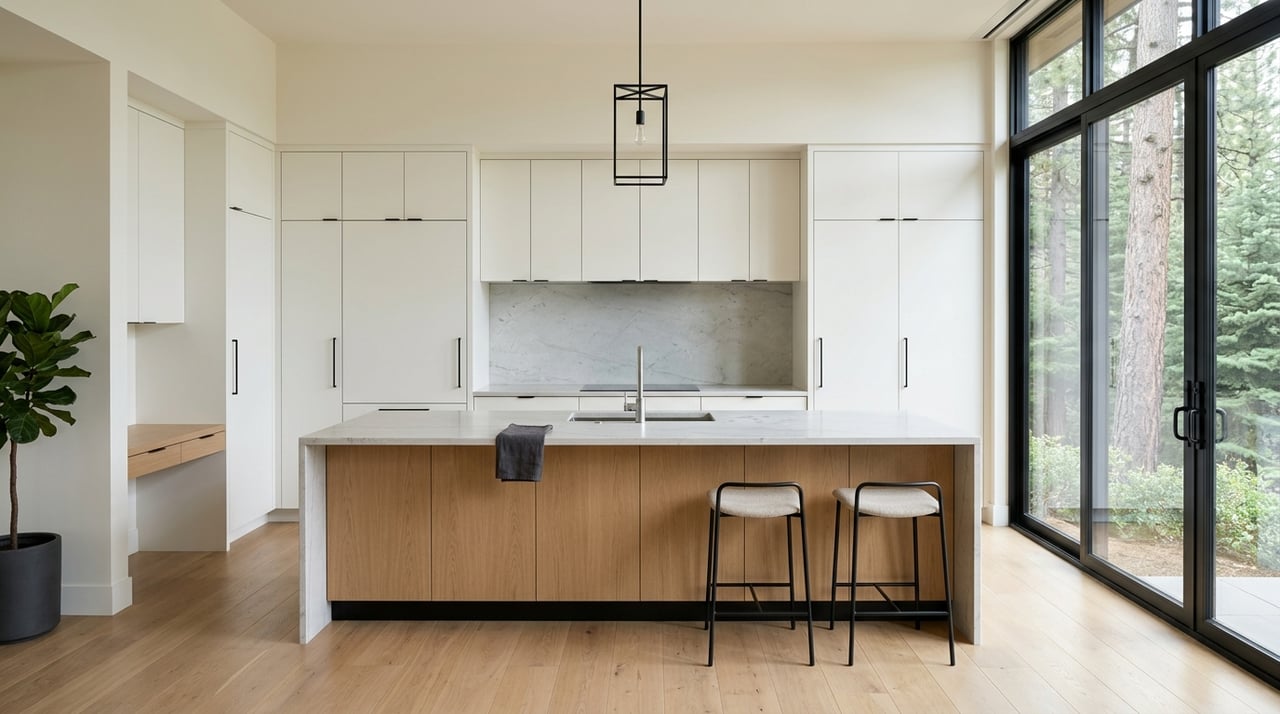
The refined farmhouse pairs gabled rooflines with board and batten or mixed siding, metal accents, and wide porches. Interiors feel open and bright with large island kitchens and black framed windows.
Materials often include fiber cement or wood siding, painted trim, stone bases, and standing seam metal roofing. Hardware is simple and matte for a clean, modern vibe.
How it performs in Reno
Fiber cement siding resists UV and low moisture conditions better than wood and needs less repainting. Metal roofs shed snow well if attic ventilation and valley detailing are correct. Painted wood near grade and porch posts need vigilant sealing.
Red flags when touring
- Examine porch and deck ledger flashing, especially where roofs meet walls.
- Look for rot at posts or trim near soil or irrigation.
- Confirm siding attachment and sealants are intact at roof to wall intersections.
Where you will see it and resale
This style has broad appeal and shows up in new luxury subdivisions, custom acreage properties, and select infill areas, especially in south and east suburban tracts. It offers a modern traditional look that many buyers find comfortable and timeless, which supports stable resale.
Mediterranean and Tuscan at a glance
Defining features and materials
Mediterranean and Tuscan homes favor stucco exteriors, clay or concrete tile roofs, arches, and wrought iron accents. Colors lean warm and earthy, and outdoor rooms may include courtyards or loggias.
Expect cement or synthetic stucco, mission or barrel tile roofs, and carved wood or iron details. Exterior stone or cast stone is common around entries and windows.
How it performs in Reno
Stucco and tile roofs can excel in Reno when detailed correctly. Moisture management is critical, including proper substrates, control joints, and flashing to prevent freeze thaw issues. Tile roofs are heavy and must be framed for both tile and snow loads, but they shed snow well once installed right.
Red flags when touring
- Scan for hairline to wider stucco cracks and any staining that suggests trapped moisture.
- Check for loose or slipped roof tiles and visible underlayment.
- Verify window and door penetrations are well flashed and sealed at sills and heads.
Where you will see it and resale
You will find this look in higher end custom neighborhoods and gated communities in the southwest and southern parts of the metro. It has devoted fans who value Old World formality. The buyer pool can be more niche than modern or classic traditional, so resale depends on neighborhood fit and execution quality.
Refined traditional at a glance
Defining features and materials
Refined traditional emphasizes symmetry, formal entries, and quality materials like brick, stone, and rich millwork. Roofs are pitched, and details include pilasters, cornices, and balanced window layouts.
Exterior cladding can be brick veneer, full brick, or stone with wood trim and columns. Roofing is typically architectural asphalt, slate, or tile depending on budget and design.
How it performs in Reno
Brick and stone handle Reno’s freeze thaw cycles well when drainage, mortar, and flashing are sound. Architectural asphalt shingles are common and should have ratings appropriate for wind and snow. Grading and water management around the foundation are key.
Red flags when touring
- Inspect mortar joints, lintels, and flashing at window and door openings.
- Look for foundation hairline cracks and ensure soil slopes away from the house.
- Check roof age, shingle condition, and any patchwork that hints at prior leaks.
Where you will see it and resale
This classic look appears across established luxury neighborhoods and newer high end tracts that value formal curb appeal. It has wide age range appeal and is often a safe, long term choice for marketability.
What matters most for resale in Reno
Regardless of style, certain features tend to carry value and reduce ownership friction:
- View oriented siting and privacy without sacrificing access.
- Quality systems and envelope performance, including high performance windows, good insulation, and updated HVAC.
- Functional floor plans with generous storage and garage space.
- Outdoor living spaces that extend the season, such as covered and heated patios and fireplaces.
- Smart home, solar, EV charging, and other energy upgrades that cut operating costs.
Trends show strong demand for mountain modern and contemporary farmhouse. Mediterranean and Tuscan styles can achieve top results in the right setting but may attract a narrower buyer pool. Refined traditional remains broadly marketable in many neighborhoods.
Your touring and inspection checklist
Use this concise list to focus your tours and pre offer due diligence:
-
Site and orientation
- Note main views and sun exposure. West facing glass can run hot without shading.
- Check driveway slope, access, grading, and any retaining walls.
- Evaluate defensible space and non combustible zones near the home if near foothills.
-
Roof and attic
- Identify roofing type and apparent age. Look for missing tiles, loose fasteners, or staining.
- Ask about snow shedding and the presence of snow guards on metal or tile.
- Inspect attic insulation depth, ventilation, and duct sealing.
-
Exterior envelope and moisture control
- Review flashing at windows, doors, and roof to wall transitions.
- Look for stucco cracks, siding gaps, or compromised sealants.
- Check deck and porch ledgers, railings, and hardware for corrosion or rot.
-
Windows and doors
- Confirm double or triple pane, low e glazing and proper operation.
- Watch for condensation between panes or drafty weather stripping.
-
Structural and foundation
- Note any significant horizontal or large vertical cracks and settlement signs.
- For steep or cut fill lots, ask for engineering and inspection records for retaining walls.
-
Mechanical systems and energy performance
- Record ages and types of HVAC, water heaters, and whether zones or radiant heat are present.
- Look for solar PV, battery storage, and EV charging.
- Ask about recent energy upgrades and insulation retrofits.
-
Interior finishes and systems
- Evaluate finish carpentry quality, flooring transitions, and any moisture stains.
- Test smart home, security, and integrated controls.
-
Permits, warranties, and HOA
- Request permit histories for additions, roof replacements, major mechanicals, and stucco or window work.
- Ask for transferable warranties on specialty systems and materials.
- Review HOA design standards and any upcoming assessments.
Key questions to ask before you offer
- What are the ages and replacement histories of the roof, windows, HVAC, plumbing, and electrical systems?
- Are there any known water intrusion or stucco repairs, and are permits and inspections available?
- How is the home sited for sun, snow, and wind, and do large windows have adequate shading?
- What exterior maintenance is expected in the next five years, including paint cycles, sealing, or tile repairs?
- Is the home in a wildfire prone area, and what defensible space work has been completed?
- Do HOA rules limit exterior changes you might want to make later?
- Which features of this specific property will most influence resale across buyer demographics?
Choosing the right fit
Start with lifestyle first. If you live for walls of glass and a seamless indoor outdoor flow, mountain modern may speak to you. If you want warmth with updated simplicity, the farmhouse look can deliver. If formal spaces and courtyards are your style, Mediterranean or Tuscan may feel right. If you prefer timeless curb appeal that stays broadly marketable, refined traditional is a sound choice.
Pair that preference with performance. In Reno, glazing quality, roof detailing, insulation, and water management often matter more than the label on the style. A well detailed stucco system, a properly engineered tile roof, or a meticulously flashed metal roof can all perform beautifully here.
When you are ready to explore, private tours, permit checks, and the right specialist inspections will protect your time and capital. For discreet guidance, off market access, and strategic representation across Reno and the Tahoe corridor, connect with Harmony Steingrebe. Schedule a private consultation to find the style and property that fits your goals.
FAQs
What is mountain modern in Reno and how does it handle snow and sun?
- Mountain modern uses large low e glazing, metal roofs, and deep overhangs; with proper detailing, it manages snow shedding and controls heat gain while preserving views.
How do Mediterranean or Tuscan homes hold up in Reno’s freeze thaw climate?
- Stucco and tile roofs perform well when moisture control, control joints, and flashing are correct, and when framing accounts for heavy tile plus snow loads.
What should I check on a contemporary farmhouse in Reno?
- Focus on porch and deck flashing, siding condition near grade, attic ventilation with metal roofs, and the paint or sealant maintenance plan.
Which luxury home style tends to resell best in Reno?
- Refined traditional often has the broadest buyer appeal, while mountain modern and farmhouse are strong trends; Tuscan and Mediterranean can excel in the right neighborhoods.
How can I verify permits and records for a luxury home in Washoe County?
- Ask for the property’s permit history and final inspections for additions, roofing, stucco, windows, and major systems, plus any transferable warranties.